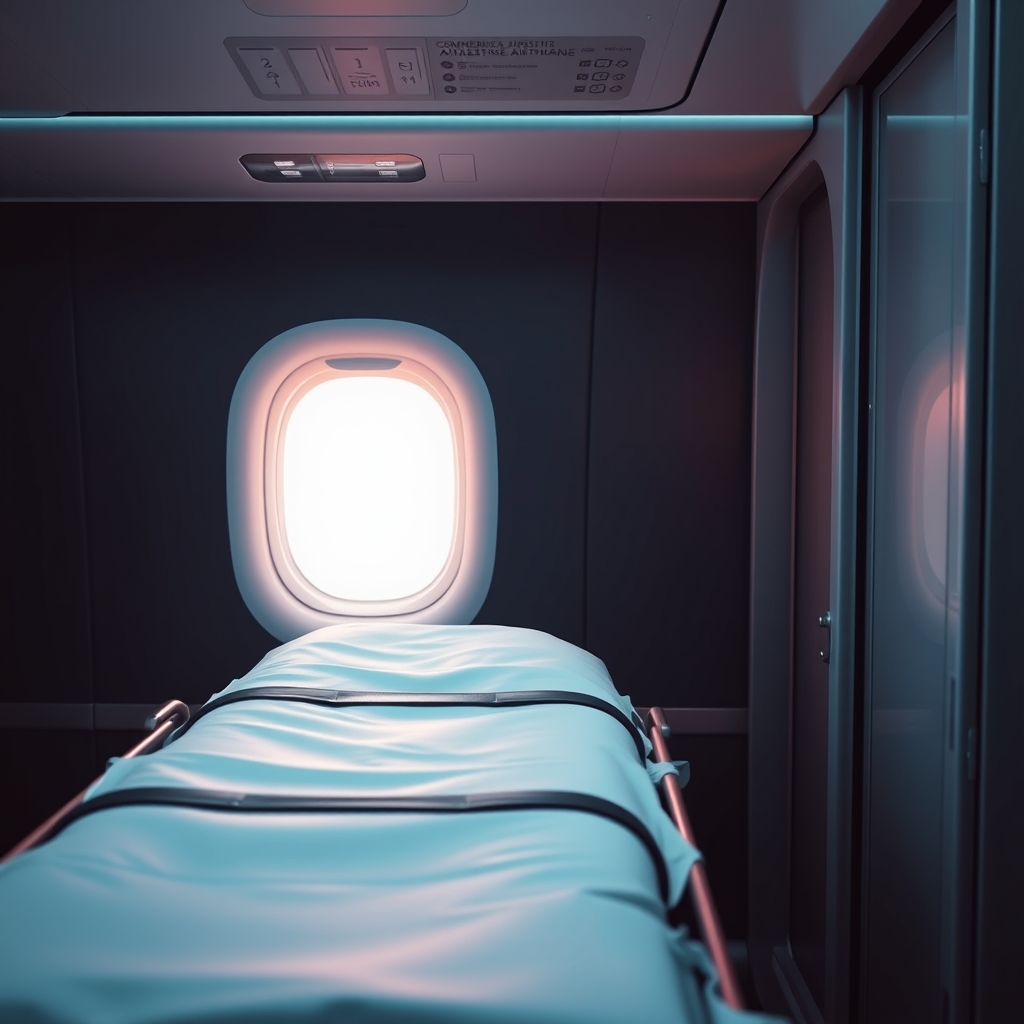
The Essential Guide to Commercial Airline Stretcher Services for Safe Patient Transport
Learn more about commercial airline stretcher and how it applies to your specific needs.
When a patient requires medical transport across long distances, a offers a practical and cost-effective solution. Unlike private air ambulances, commercial flights equipped with stretcher systems allow patients to travel on scheduled airlines while receiving necessary medical care. This service bridges the gap between emergency medical evacuation and standard commercial travel, providing a viable option for stable patients who need to relocate for treatment, repatriation, or family reunification. Understanding how these services operate, the requirements involved, and the benefits they provide is crucial for healthcare professionals, travel coordinators, and families planning such journeys.
Learn more about airline stretcher Canada and how it applies to your specific needs.
Commercial airline stretcher services have evolved significantly over the past decade, with airlines and specialized medical escort companies working together to ensure safety and comfort. The process typically involves reserving a block of seats—often three to six seats—where a portable stretcher is secured to the aircraft floor. Medical escorts accompany the patient throughout the flight, monitoring vital signs and administering medication as needed. For patients in regions like Canada, options such as an service are available, connecting major cities and remote communities alike.
How Commercial Airline Stretcher Services Work
The logistics of arranging a commercial airline stretcher require careful planning. First, the patient’s medical condition must be assessed by a physician to determine fitness for commercial flight. Once approved, the airline is contacted to secure stretcher accommodations—this often requires advance notice of at least 48 to 72 hours. The airline coordinates with airport ground services to ensure a smooth boarding process, often using a special aisle chair to transport the patient to the stretcher. Medical escorts, who are typically registered nurses or paramedics, travel with the patient and manage any in-flight medical needs.
For travelers in western Canada, a service can be arranged through major airports like Calgary International or Edmonton International. These services adhere to strict protocols, including weight limits, oxygen requirements, and electrical medical device usage. The stretcher itself is designed to fit within the aircraft cabin, often folding to a compact size for storage. Passengers seated nearby are usually rebooked to other seats, ensuring the patient has adequate space and privacy.
Medical Considerations and Patient Eligibility
Not every patient is suitable for commercial airline stretcher transport. Eligibility depends on the patient’s stability, the need for continuous medical intervention, and the ability to tolerate cabin pressure changes. Common conditions that qualify include stable fractures, post-surgical recovery, chronic respiratory conditions managed with portable oxygen, and non-communicable diseases requiring monitoring. Patients with contagious infections, uncontrolled seizures, or severe cardiac instability may require an service instead, which offers a higher level of critical care.
Medical escorts play a pivotal role in . They carry comprehensive medical kits, including emergency medications, suction equipment, and defibrillators. Communication with the flight crew is maintained throughout the journey, and contingency plans are in place for medical diversions if necessary. The escort also handles all documentation, including medical clearance forms, insurance authorizations, and airline-specific waivers.
Cost Comparison: Commercial Stretcher vs. Air Ambulance
One of the primary advantages of using a commercial airline stretcher is cost savings. While private air ambulance flights can cost tens of thousands of dollars, commercial stretcher services typically range from $2,000 to $10,000, depending on distance, airline, and medical escort fees. For patients who are stable but require bed rest during travel, this option makes long-distance medical transport accessible without the financial burden of a dedicated aircraft.
Insurance coverage varies. Some health insurance plans, travel insurance policies, and government health programs may cover part or all of the cost, especially if the transport is deemed medically necessary. In Canada, provincial health plans like Alberta Health Services may reimburse certain transport costs for residents traveling to specialized treatment centers. It is advisable to verify coverage before booking.
Key Airlines and Routes Offering Stretcher Services
Learn more about commercial airline stretcher alberta and how it applies to your specific needs.
Major airlines worldwide offer stretcher accommodations, though availability can be limited. In North America, carriers such as Air Canada, WestJet, United Airlines, and Delta Air Lines provide stretcher services on domestic and international routes. European airlines like Lufthansa and British Airways also offer similar services. However, smaller regional airlines may not have the cabin space or infrastructure to accommodate stretchers, making it essential to work with a medical transport coordinator who can identify suitable flights.
Learn more about stretcher patient transport and how it applies to your specific needs.
For patients requiring transport within Canada, services like connect cities such as Vancouver, Toronto, Montreal, and Halifax. Cross-border transport to the United States is also common, with flights to destinations like Seattle, Minneapolis, and New York. The key is to book early and provide the airline with accurate patient dimensions and medical requirements.
Preparing for a Commercial Airline Stretcher Journey
Preparation is critical to ensure a smooth experience. The patient’s medical records, including a letter of medical clearance, must be submitted to the airline at least 48 hours before departure. The stretcher company coordinates with airport security to expedite screening, often using a dedicated lane. On the day of travel, the patient is transported to the gate via wheelchair or stretcher, then transferred to the aircraft using a special boarding lift.
During the flight, the patient remains on the stretcher, which is secured to the floor using approved tie-downs. The medical escort sits adjacent to the patient, monitoring vital signs and providing comfort. Meals and hydration are managed according to the patient’s condition. Lavatory access is not possible from the stretcher, so adult briefs or catheterization may be necessary for longer flights.
Regulatory and Safety Standards
Commercial airline stretcher services are governed by aviation authorities such as the Federal Aviation Administration (FAA) in the United States and Transport Canada. These bodies set standards for stretcher dimensions, weight limits, and attachment mechanisms to ensure they do not impede emergency evacuation. Medical escorts must meet specific training requirements, including advanced cardiac life support (ACLS) and cabin crew coordination.
In Alberta, providers must comply with provincial health regulations and airline policies. Regular audits and quality assurance programs help maintain high standards of care. Patients and families can request documentation of the provider’s certifications and insurance coverage before booking.
Benefits for Families and Healthcare Systems
Learn more about air ambulance alberta and how it applies to your specific needs.
Using a commercial airline stretcher reduces the strain on healthcare systems by freeing up ambulance and emergency room resources. It also allows families to accompany the patient on the same flight, providing emotional support. For patients who are well enough to travel but cannot sit upright, this service offers dignity and comfort compared to being transported in the cargo hold of an aircraft, which is an outdated practice that is now largely discontinued.
Additionally, can be arranged for repatriation to home countries, enabling patients to receive follow-up care in familiar surroundings. This is particularly beneficial for expatriates or tourists who fall ill abroad and need to return home for ongoing treatment.
FAQs
What is a commercial airline stretcher?
A commercial airline stretcher is a portable bed that is installed on a scheduled commercial flight to transport a patient who cannot sit upright. The stretcher is secured to the aircraft floor and is accompanied by a medical escort. It allows stable patients to travel long distances at a lower cost than a private air ambulance.
How do I book a commercial airline stretcher for a patient in Canada?
To book a commercial airline stretcher in Canada, contact a medical transport company that specializes in this service. They will coordinate with the airline, obtain medical clearance, and arrange a qualified escort. Providers like Jet Companion offer services with comprehensive support from booking to arrival.
Is a commercial airline stretcher covered by insurance?
Coverage varies by insurance plan. Many travel insurance policies, health insurance plans, and government health programs may cover part or all of the cost if the transport is medically necessary. It is important to check with your provider and obtain pre-authorization before booking. Some plans also require a physician’s referral.
What medical conditions are suitable for commercial stretcher transport?
Stable conditions such as fractures, post-surgical recovery, chronic respiratory issues with portable oxygen, and non-critical neurological conditions are often suitable. Patients must be free of contagious diseases and have stable vital signs. A physician must assess the patient and provide medical clearance. For unstable patients, an service may be more appropriate.
Can family members travel with the patient?
Yes, family members can usually travel on the same flight, though they may be seated in a different section of the cabin. The medical escort will attend to the patient’s needs, but family presence can provide emotional comfort. It is advisable to inform the medical transport company of any accompanying passengers during the booking process.